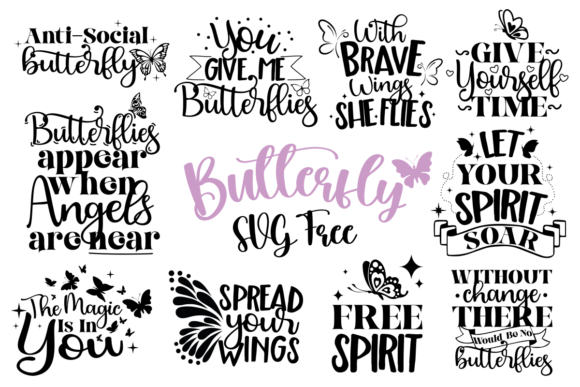
Butterfly Art Review
As a designer who’s spent years working with machine embroidery designs, I always approach new files with a critical eye. Butterfly Art caught my attention not just for its visual appeal but for how it might translate into real-world projects. Let’s break down what this design offers and where it truly shines.
The First Impression
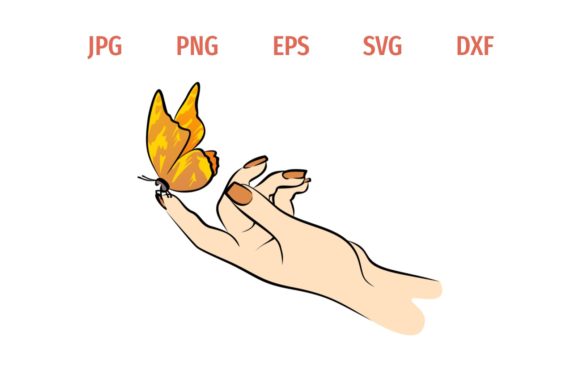
From the moment I opened the ZIP file, Butterfly Art felt like a breath of fresh air. The illustration is delicate yet bold, with soft curves and intricate details that suggest a natural, organic theme. The layout is balanced, making it easy to visualize on a variety of surfaces. It feels like a design that could work well in both modern and traditional settings, depending on how it’s styled.
The mood it creates is peaceful and whimsical—perfect for items that aim to evoke a sense of calm or nostalgia. Whether it’s a baby onesie, a personalized gift, or a boutique product, Butterfly Art has a quiet charm that could resonate with many audiences.
Real-World Embroidery Use Cases
Testing Butterfly Art on a sample tote bag design gave me a good sense of how it would perform in practice. The design translates well to fabric, especially when using satin stitch for the wings and fill stitch for the body. It’s detailed enough to be visually interesting but not so complex that it becomes overwhelming.
For custom apparel like sweatshirts or t-shirts, Butterfly Art works as a subtle but elegant accent. It also has potential as an embroidered patch, where its clarity and detail can really stand out. On baby clothes, it adds a gentle touch that parents might appreciate for its softness and simplicity.
When used on caps or hats, the design holds up well, though it’s important to ensure the hoop size is appropriate. Smaller hoop sizes can sometimes cause distortion, so I’d recommend testing it first on a scrap piece of fabric before committing to a larger project.
Where to Be Careful
While Butterfly Art is versatile, there are some situations where it might not perform as well. On textured fabrics or thin, stretchy materials, the design can lose some of its definition. It’s also worth noting that on dark fabric, the thread color contrast may need careful consideration to ensure visibility.
If you're planning to use Butterfly Art on layered garments or curved surfaces like caps, be prepared to adjust your setup. The design’s intricate corners and fine lines may require extra attention to avoid puckering or misalignment during stitching.
For commercial embroidery projects, especially those involving frequent washing, it’s wise to test the design’s durability. A high stitch density can help, but stabilizer is key to maintaining the integrity of the design over time.
Impact on Visual Appeal and Value
Butterfly Art adds a level of sophistication to any finished product. Its clean lines and soft aesthetic make it ideal for handmade products that aim to feel personal and thoughtful. As a personalized gift, it can elevate the perceived value of a product, making it more appealing to customers looking for unique, crafted items.
For small shop owners and Etsy sellers, this design can be a valuable addition to your digital product library. It’s adaptable enough to fit into various niches, from nursery decor to holiday gifts. When paired with proper branding and presentation, Butterfly Art can enhance the professionalism of your offerings.
It also has strong potential for printable mockups and digital product previews. The design’s clarity makes it easy to showcase in different contexts, helping buyers visualize how it might look on their own items.
Practical Designer Notes
Before jumping into a full project, I always recommend testing any new embroidery file on scrap fabric. This helps identify any issues with stitch density, thread color contrast, or fabric compatibility. For Butterfly Art, I’d suggest checking how it looks in black and white mockups to ensure it maintains its visual impact across different backgrounds.
Another important step is to confirm whether the design is suitable for both personal and commercial use. While the product description mentions it’s a freebie, it’s still wise to review the licensing terms before selling finished items or digital products.
When working with small hoop sizes, consider breaking the design into sections if necessary. This can help maintain quality and prevent distortion. Also, pay close attention to the stabilizer type—using the right one can make a big difference in how the design looks after stitching.
Final Thoughts
Butterfly Art is a design that balances beauty with practicality. It’s well-suited for a wide range of embroidery projects, from custom apparel to personalized gifts. With the right preparation and attention to detail, it can become a valuable asset for any craft business or handmade shop.
Whether you’re an experienced embroiderer or just starting out, Butterfly Art offers a solid foundation for creating beautiful, professional-looking pieces. Just remember to test it thoroughly and tailor your approach to the specific project at hand.